
Bonding activities for the first 6 months

Bonding with your baby during the first six months is one of the most important parts of early parenting. These early bonding experiences help your baby feel safe, secure and loved, while also supporting emotional development, attachment and brain growth
The good news? Bonding doesn’t require special toys or elaborate routines. Simple, everyday interactions are the most powerful. Below are easy, age-appropriate bonding activities for babies from birth to 6 months that fit naturally into daily life
Why Bonding in the First 6 Months Matters
Early bonding helps babies:
-
Develop secure attachment
-
Regulate emotions and stress
-
Build trust and confidence
-
Support early communication and brain development
For parents, bonding builds confidence and strengthens your connection with your baby over time
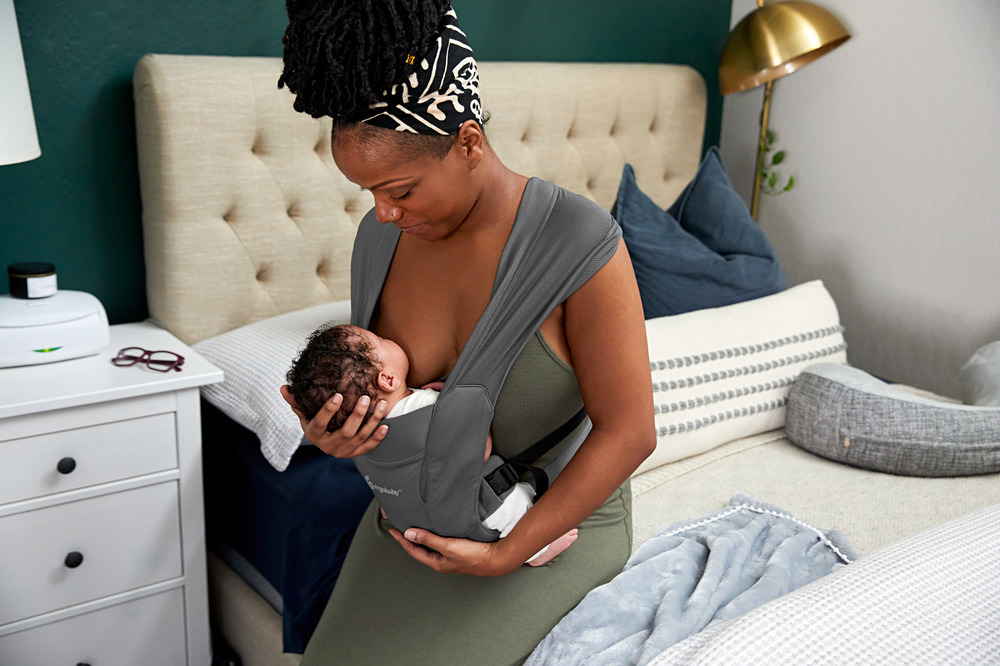
Best Bonding Activities for Babies (0–6 Months)
Skin-to-Skin Contact
Skin-to-skin contact is one of the most effective ways to bond with a newborn and young baby.
Holding your baby against your bare chest helps regulate:
-
Body temperature
-
Heart rate
-
Breathing
It also promotes calmness and emotional security. Skin-to-skin can be done after birth, during feeding, after baths or during quiet moments throughout the day
Feeding Time Bonding
Whether breastfeeding or bottle-feeding, feeding is a key bonding activity for babies.
Hold your baby close, make eye contact and speak softly. Feeding is about more than nutrition — it’s a moment of comfort, closeness and connection that helps your baby feel safe and cared for
Talking and Singing to Your Baby
Babies recognise and respond to your voice from birth. Talking, singing and responding to your baby’s sounds strengthens bonding and supports early language development
You can:
-
Narrate your day
-
Sing lullabies or familiar songs
-
Respond to coos and babbles
These early “conversations” help your baby feel heard and connected
Gentle Touch and Baby Massage
Touch is essential for baby bonding. Gentle cuddles, stroking and baby massage can help calm your baby and deepen your connection
Choose a warm, quiet time and follow your baby’s cues. Baby massage may also help with relaxation, digestion and sleep
Eye Contact and Face-to-Face Time
During the first few months, babies are naturally drawn to faces
Spend time:
-
Making eye contact
-
Smiling and exaggerating facial expressions
-
Allowing your baby time to respond
Face-to-face interaction supports emotional development and strengthens attachment
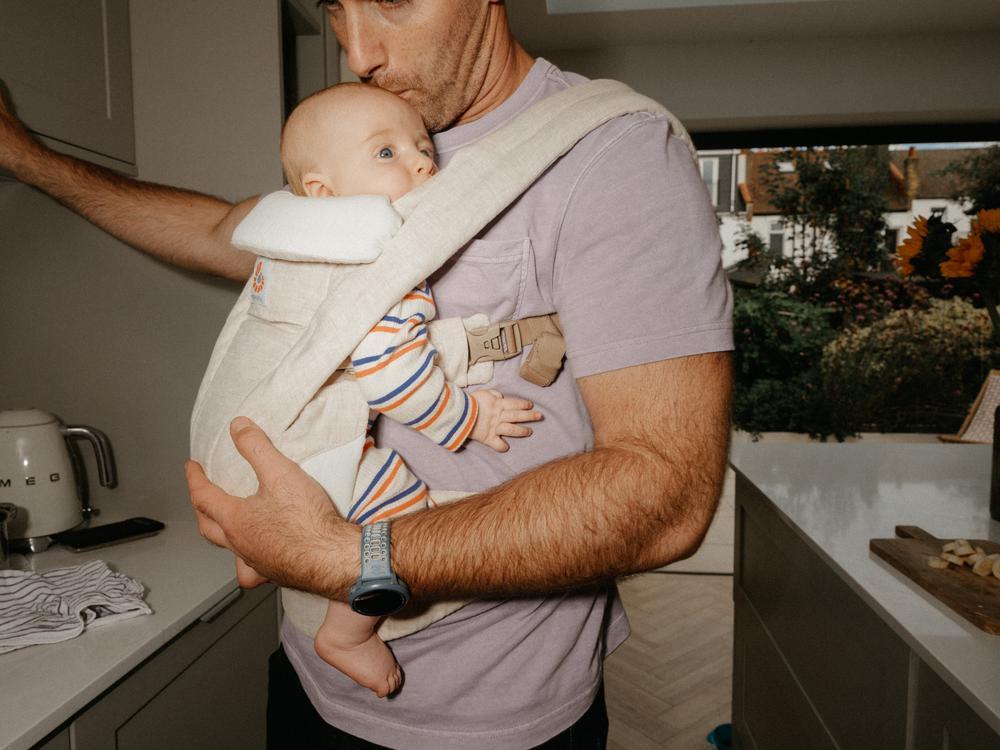
Babywearing for Bonding
Babywearing keeps your baby close while allowing you to move freely. Being near your heartbeat, warmth and movement helps babies feel secure and comforted.
Using a baby carrier or wrap can support bonding during walks, errands or daily routines
Bonding Through Daily Routines
Some of the best bonding moments happen during everyday care
Use:
-
Diaper changes
-
Bath time
-
Dressing and undressing
as opportunities to talk, sing, smile and move slowly. Predictable, gentle routines help babies feel safe and connected
Responding to Your Baby’s Cues
Learning to recognise and respond to your baby’s cues is a powerful bonding skill
Bonding is strengthened when you:
-
Respond to cries with comfort
-
Notice signs of overstimulation
-
Adjust interactions based on your baby’s needs
There’s no need to be perfect — consistency and responsiveness matter most
Quiet Bonding Time
Bonding doesn’t always require activity. Quiet moments — holding your baby, rocking them or simply being together — help regulate your baby’s nervous system and deepen emotional connection
Bonding Looks Different for Every Family
Bonding with your baby is not about doing everything “right.” It’s built through repeated moments of care, love and presence over time
If bonding feels slow or difficult at times, that’s okay. Relationships grow gradually, and every loving interaction counts
At Baby Central HK we believe bonding begins with simple, everyday moments — and those moments help shape your baby’s world from the very beginning